True Kinship
With Animals
IS…
Recognizing animals are more than ‘just an animal’
Relating to animals through a new place of understanding
Reimagining a new way of being with animals

Beginning your true kinship practice indicates you are growing beyond society’s expectations of how animals ‘should’ be treated and are ready to bring intentionality into your relationship with them.
You are beginning to understand animals’ experiences are their own and don’t need to be validated by humans to be authentic.
It acknowledges humans do not have dominion over animals. It is taking your deep commitment, love and respect for animals and letting those feelings spur you on to meet animals in their agency through your authentic agency.
For 30+ years I have facilitated clear conversations between animals and people, encouraging you to co-create deeper relationship with animals.
I hold space for you as you satisfy your curiosity about your true kinship journey and how it can re-introduce you to your authentic self. I am a helper, a guide, a witness, and a cheerleader as you explore those different pathways, resulting in you showing up more your authentic self for animals.
It is a work I persevere in while at the same time not holding expectations of how it ‘should’ or will evolve.
Two of the tools I use to bring you true kinship are the True Kinship With Animals Podcast and the online subscription-based community Kindred.

Podcast
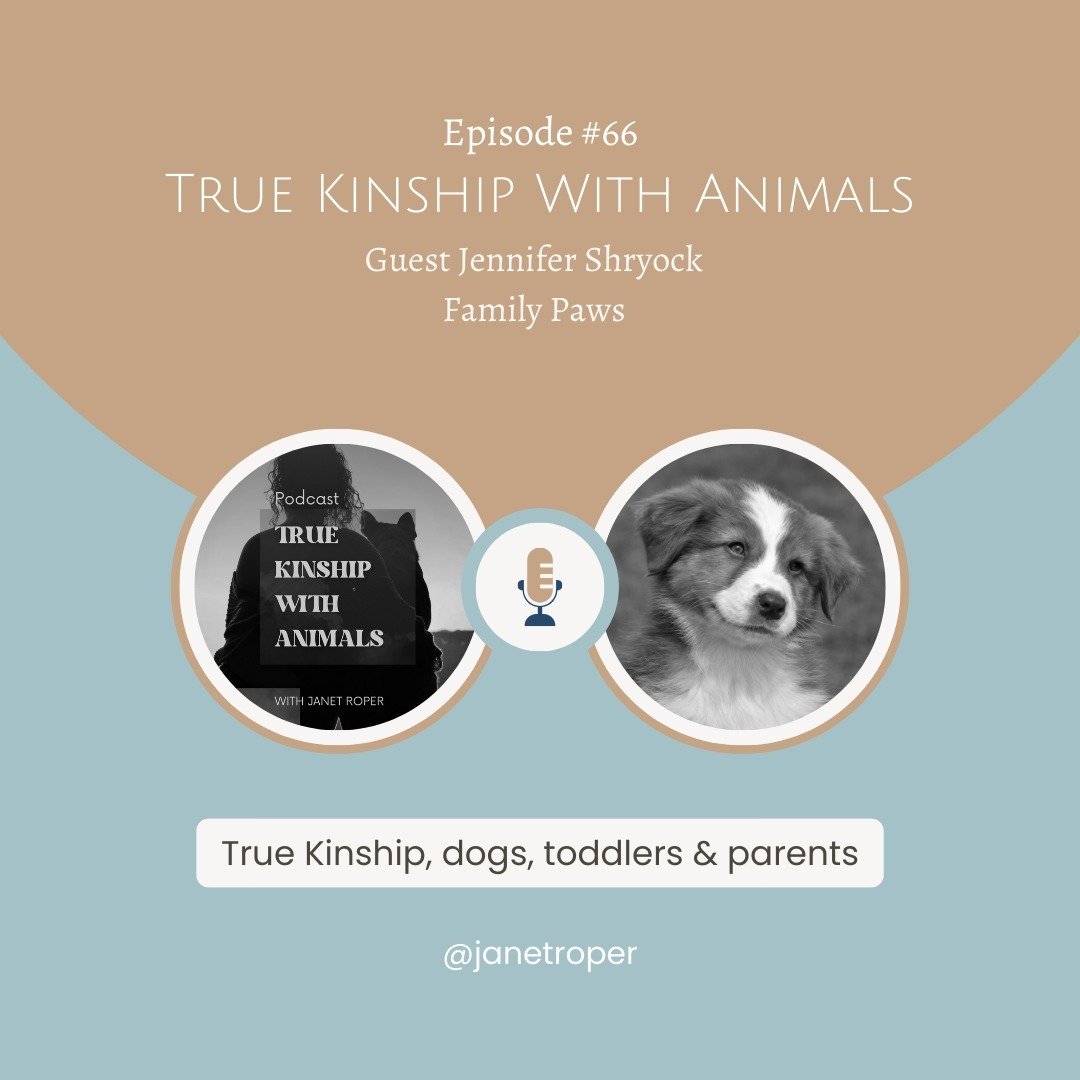
The True Kinship With Animals Podcast is for folx who know animals are kin and not ‘just an animal’. You hear stories, conversations with guests and suggestions on how you can radically reimagine your relationship with animals by freeing yourself from the inherited, colonized beliefs and assumptions we’ve all been socialized into. It is available on most podcast platforms. I encourage you to listen, subscribe, share and support.

Community
Kindred is an online subscription based community that encourages deeper awareness, exploration and conversations about your relationship with animals. You begin to relate to animals from a new place of understanding as you grow beyond society’s expectations of how animals ‘should’ be treated. There are 3 levels to choose from and monthly you receive teachings in written, audio, video offerings and community conversations.
Looking for a daily dose?


“In order to build the movements capable of transforming our world, we have to do our best to live with one foot in the world we have not yet created.”
― Aurora Levins Morales [1], “A Revolution Capable of Healing Our Wounds”